

PEPTIDE EDUCATION
Are Peptides Steroids?
A Simple Guide for Athletes
The truth about what's actually in your recovery stack—and why it matters for your performance.
⚡ THE QUICK ANSWER
Peptides are NOT steroids. They're short amino-acid sequences that trigger natural processes. Steroids are hormone derivatives that force dramatic changes in muscle growth and metabolism.
Many athletes and gym-goers hear about peptides and steroids but aren't sure how they compare.
Are peptides just another name for steroids? Are they safer? Can they help you build muscle without the risks?
This guide breaks down the science in plain language, answers the top questions people ask, and links to our other helpful resources on NinjAthlete.
⚠️ Note: This article provides general information and doesn't replace medical advice. Always consult a healthcare professional before using any supplement or performance-enhancing substance.
📖 WHAT'S INSIDE
What Are Peptides and Steroids?
🧬 Peptides
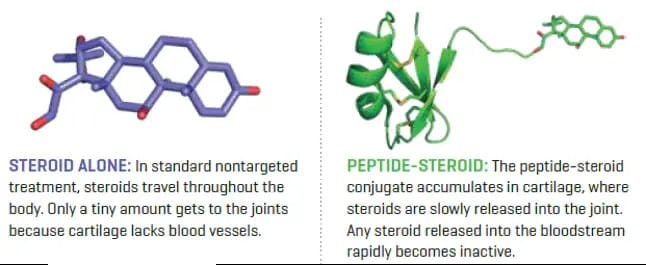
Peptides are short chains of amino acids (the building blocks of proteins) that your body naturally produces. They act as messenger molecules and tell cells to perform certain tasks, such as releasing growth hormone or burning fat.
If you're interested in how peptides can accelerate healing, check out our deep dive on the Wolverine Complex (BPC-157 + TB-500)—the stack that's revolutionizing athletic recovery.
💉 Steroids
Steroids are a broad class of compounds that can be naturally occurring hormones or synthetic derivatives made in laboratories. Anabolic steroids mimic the male hormone testosterone and are used to increase muscle mass and strength.
Because they're derived from cholesterol, their structure is very different from peptides.
Are Peptides Considered Steroids?
Short answer: NO.
Even though both peptides and anabolic steroids can enhance performance, they are fundamentally different molecules:
| Peptides | Made of amino acids, communicate with cells through surface receptors |
| Steroids | Lipid-based hormones that cross cell membranes and change gene expression |
Steroids are derivatives of testosterone and force growth by flooding the body with hormone signals. Peptides encourage your body's own processes by signalling the release of growth factors such as IGF-1 and MGF, which support muscle repair and growth.
How Do Peptides Work?
When you inject or ingest a peptide, it binds to specific receptors on the surface of target cells. This triggers pathways that release or suppress particular hormones.
For example, growth hormone releasing peptides (GHRPs) can boost levels of insulin-like growth factor 1 (IGF-1), which helps build muscle and aids recovery.
🎯 KEY INSIGHT
Because peptides act through your body's normal signalling mechanisms, their effects tend to be gradual and more targeted.
For athletes focused on recovery optimization, understanding core sleep is essential—it's when your body naturally produces growth hormone, and peptides can enhance this process.
How Do Steroids Work?
Anabolic steroids are synthetic hormones that mimic testosterone.
They cross cell membranes and enter the cell nucleus, where they turn on genes related to protein synthesis and muscle growth. The resulting anabolic effect can be dramatic—users often see rapid increases in strength and muscle size.
⚠️ THE CATCH
This forced hormone surge can disrupt the body's natural endocrine balance and lead to serious side effects.
Do Peptides and Steroids Have Different Side Effects?
Yes. Because peptides work by nudging natural pathways, their side effects are often mild. Steroids flood the body with high levels of testosterone-like hormones, which can cause significant harm.
✅ Peptide Side Effects (Usually Mild)
- Redness or irritation at the injection site
- Temporary bloating or water retention
- Mild headaches
❌ Steroid Side Effects (Often Severe)
- Acne, hair loss, changes in skin texture
- Mood swings, aggression, depression
- Liver toxicity, heart disease risk, high blood pressure
- Hormonal imbalances → infertility, gynecomastia
- Tendon injuries, loss of libido
- Some changes (voice deepening, hair growth) can be permanent
Anabolic steroids are extremely dangerous, damaging the lipid system and eliminating good cholesterol. Peptides, by contrast, work more harmoniously with the body.
— Dr. Florence Comite, Endocrinologist
Are Peptides Safer Than Steroids?
Generally speaking, peptides have a better safety profile:
- They often have short half-lives and are quickly broken down
- They mimic hormones your body already produces
- Less likely to cause systemic harm when used properly
Steroids stay in the body longer and can disrupt the endocrine system. Even with cycling protocols, risks like liver toxicity and cardiovascular problems remain.
⚠️ Important: "Safer" doesn't mean "risk-free." Misuse of peptides—especially from unregulated sources—can lead to infections or dosing errors. Always consult a medical professional before starting any hormone-related therapy.
Do Peptides or Steroids Build Muscle Faster?
Because anabolic steroids directly stimulate protein synthesis, they typically produce faster muscle gains.
Peptides encourage the body to release growth factors that aid muscle repair and new tissue formation. The results are slower but more sustainable.
| Goal | Better Choice |
|---|---|
| Gradual gains + fewer side effects | Peptides ✓ |
| Rapid size + strength (with risks) | Steroids |
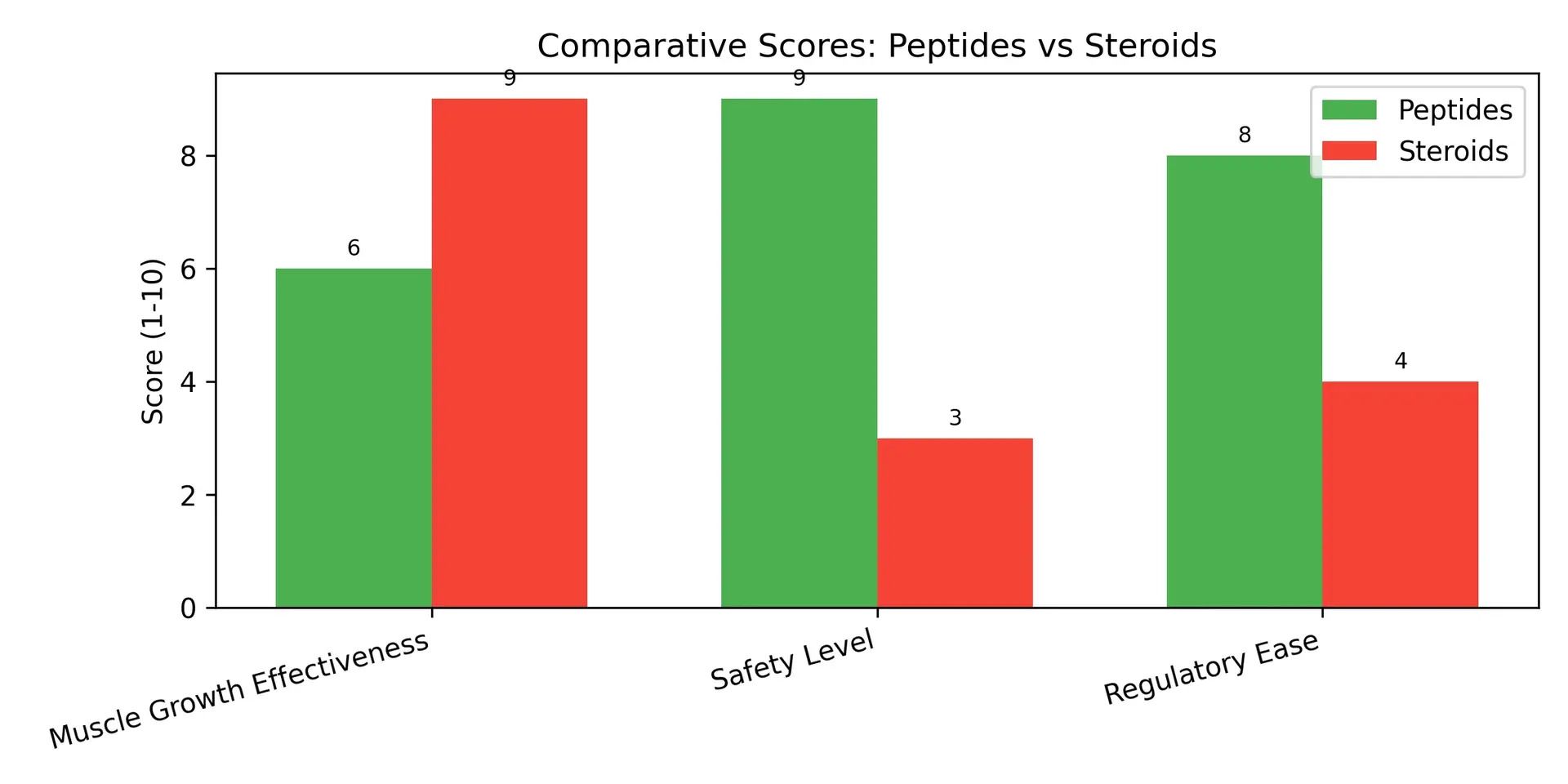
Chart: Comparing Peptides vs. Steroids
| Factor | Peptides | Anabolic Steroids |
|---|---|---|
| Effectiveness (muscle gain) | Moderate | High |
| Safety profile | Generally safe ✓ | Higher risk |
| Legality/regulation | Gray area (varies) | Highly regulated |
Are Peptides and Steroids Legal in Sports?
Major sporting organizations, including the World Anti-Doping Agency (WADA), ban many performance-enhancing drugs.
- Some peptides (like GHRPs) and most anabolic steroids are on the prohibited list
- Legal status varies by country and substance
- In the US, certain peptides can be prescribed for therapeutic use
- Anabolic steroids are classified as controlled substances in many countries
🚫 Competitive Athletes: If you compete, assume that using peptides or steroids could lead to disqualification. Always check with your sports federation.
Is Testosterone a Peptide or a Steroid?
Testosterone is a steroid hormone, not a peptide. It is produced naturally by the adrenal glands and gonads, and its structure is derived from cholesterol.
Testosterone belongs to the androgen family of hormones and is responsible for male secondary sexual characteristics (voice deepening, body hair growth) and anabolic effects on muscle and bone.
Want to boost testosterone naturally? Read our guide on how HIIT training affects testosterone levels.
READY TO EXPLORE PEPTIDES?
Get 25% OFF Research-Grade Peptides
Third-party tested • Made in USA • Use code NINJA
Shop American Peptide Research →📚 Further Reading & Resources
🧬 Peptide Deep Dives
- The Wolverine Complex (BPC-157 + TB-500) — The ultimate recovery stack
- BPC-157 Dosage Guide — Protocols and cycling strategies
- MK677 Complete Guide — Growth hormone secretagogue breakdown
- Complete Peptide Therapy Guide — Performance, recovery & longevity
- The Truth About Retatrutide — Why microdosing doesn't work
🏋️ Training & Lifestyle
- Ultimate HYROX Training Guide — Get race-ready
- How to Stay Consistent With Working Out — Build unbreakable habits
- What is Core Sleep? — Optimize your recovery
- Gym Bro Culture — More than just biceps and bro-hugs
🧠 Mindset & Performance
- High Performance Mindset — Mental strategies for focus
- Discipline Quotes for the Gym — Fuel for tough days
- One Percent Better Every Day — Compound growth philosophy
- Winners Mindset Quotes — Champion thinking
Conclusion
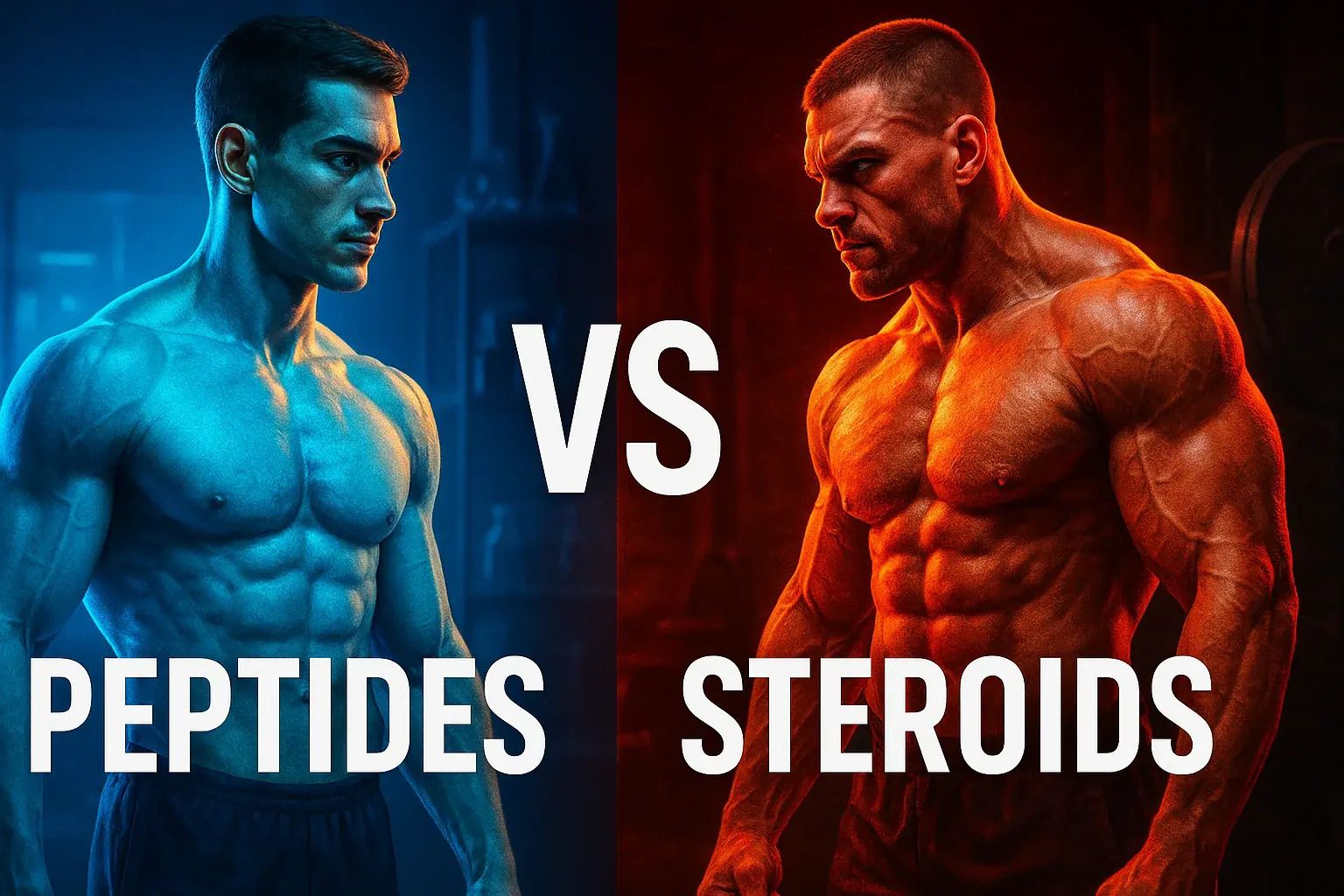
Peptides are not steroids. They're short amino-acid sequences that trigger natural processes in the body. Steroids are hormone derivatives that force dramatic changes in muscle growth and metabolism.
While steroids can produce faster results, they come with serious risks and legal issues. Peptides may offer a safer, more sustainable path for athletes seeking performance enhancements—but they should still be used under professional guidance.
By understanding the differences, you can make informed decisions about your health and training. For more guidance on workouts, nutrition, and mindset, explore the NinjAthlete blog.
🔬 POPULAR PEPTIDES (25% OFF with code NINJA)
|
BPC-157
Recovery & Healing |
TB-500
Tissue Repair |
Retatrutide
Fat Loss |
Growth Stack
Complete Bundle |
Found this helpful?
Share it with a training partner who's confused about peptides vs steroids 💪
Forward this email or share the link!
Stay strong, stay informed.
— The NinjAthlete Team 🥷


